
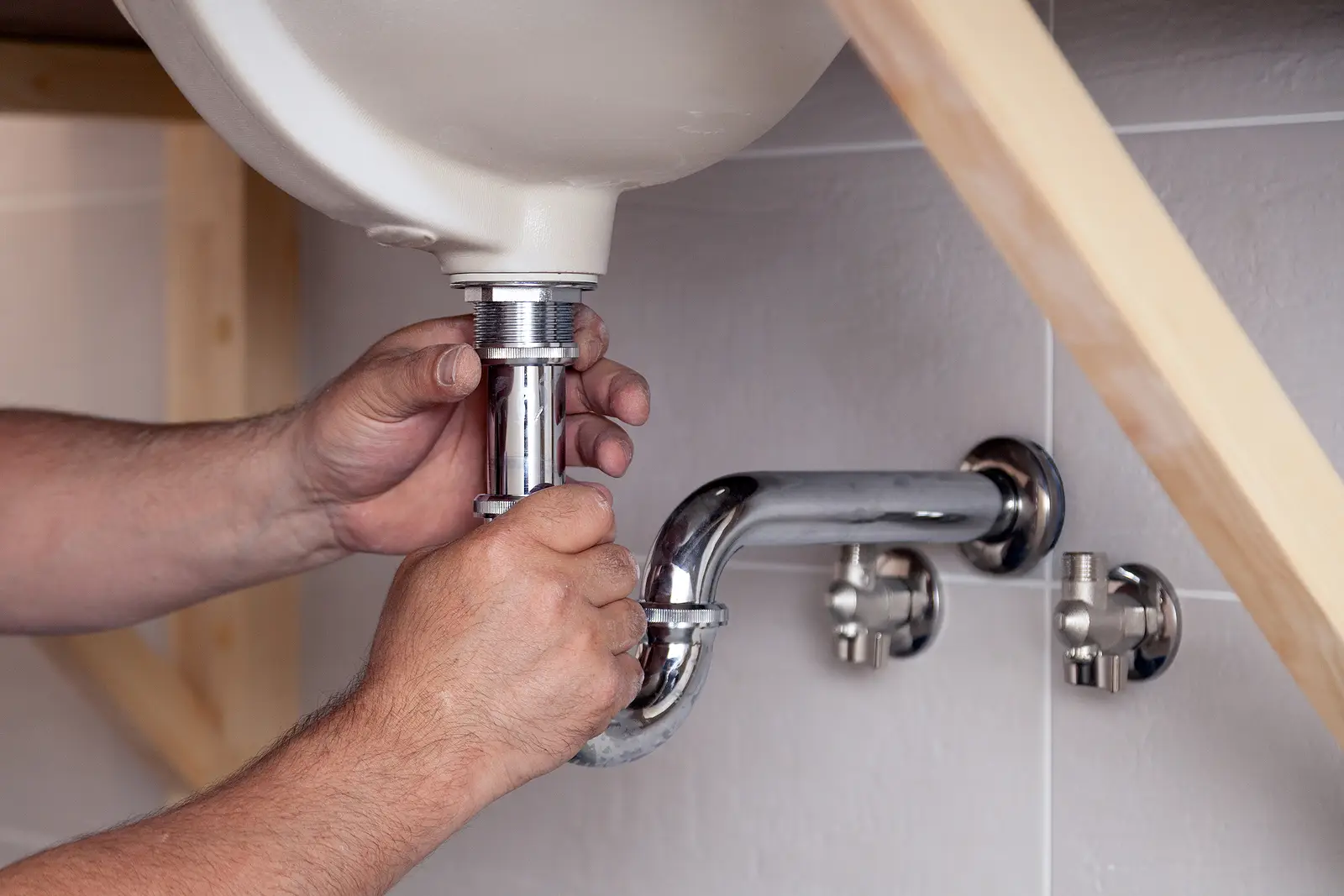
Every maintenance request tells you something on its own, but the real story shows up once you start comparing requests over time. A single leaky faucet doesn't mean much. Three or four similar calls within a year is a completely different signal, and it's one North Jersey owners can't afford to treat as routine noise.
Building systems age no matter how well a property is maintained. Plumbing corrodes, roofing wears thin, and HVAC units lose efficiency long before they fail outright. Owners who track these patterns instead of just reacting to them tend to spend less over time and keep their tenants far happier. This guide covers what recurring repairs really mean for a Teaneck rental and what to do once the pattern becomes clear.
Key Takeaways
- Repeated repairs on the same system usually point to age, not bad luck.
- A documented repair history helps decide when replacement beats another patch.
- Waiting too long on worn systems tends to raise both cost and risk.
- Planning capital projects ahead of schedule protects cash flow.
- Reliable maintenance builds the kind of trust that keeps tenants renewing.
What Keeps Bringing the Same Repair Back
A recurring repair rarely happens by chance. It usually means the system underneath has reached the point where small fixes stop actually solving anything.
Plumbing corrodes from the inside out, so one leak often signals others close behind. Roofing that's lost its underlayment keeps failing no matter how many patches go on top. HVAC units near the end of their service life show up as intermittent breakdowns rather than one clean failure. According to the U.S. Census Bureau's American Housing Survey, the median age of owner-occupied homes nationally sits at 41 years, meaning a large share of the country's housing stock is well past the point where these systems need closer attention.
Systems that tend to show this pattern most include:
- HVAC equipment
- Water heaters
- Plumbing lines
- Roofing systems
- Windows and exterior doors
When more than one of these keeps showing up on a maintenance log, it's worth asking whether the next repair actually fixes anything or just buys a few more months.
The Wear You Don't See Until It's Already a Pattern
Some of the most telling deterioration happens behind walls or inside mechanical systems long before anyone notices a visible symptom.
A tenant mentioning a new stain on the ceiling might seem unrelated to last month's electrical hiccup, but a full maintenance log frequently ties the two together. Knowing who's legally responsible for what also helps owners catch these patterns faster, since it clears up who should be flagging an issue in the first place.
Plumbing and Roofing Wear
Repeated leaks in either system rarely stay isolated. Corrosion spreads, and deteriorated flashing keeps letting water in, so patching without addressing the cause just delays the next call.
HVAC and Window Wear
Declining efficiency, worn seals, and aging motors build gradually. By the time a unit needs frequent service, repair usually costs more than it's worth compared to replacement.
Knowing When a Repair Stops Making Sense
Small repairs are worth it while a system is still fundamentally sound. Once that stops being true, the math shifts fast.
Sorting through unreliable vendors makes this harder than it should be, and contractor problems tend to cost more than owners expect once delays and rework get factored in. A few signs suggest it's time to stop patching and start planning for replacement:
- The same contractor keeps returning for the same type of issue.
- Repair costs keep climbing even though each visit seems minor.
- Emergency calls start happening outside normal business hours.
- Secondary damage, like water-stained drywall or ruined flooring, starts appearing.
None of these signs mean panic. They mean it's time to weigh the real cost of continued repairs against the cost of replacing the system outright.
What a Full Repair History Actually Tells You
One work order tells you almost nothing. A complete repair history tells you quite a bit, especially once patterns start repeating across seasons.
The scale of ongoing repair investment nationally backs this up. The Joint Center for Housing Studies of Harvard University found that homeowners spent an estimated $503 billion in 2024 on remodeling and repair projects, a figure that reflects how much upkeep the country's aging housing stock actually demands.
Reviewing your own records for clusters, plumbing leaks in the same spot, HVAC repairs right before every season change, and recurring appliance failures turns reactive maintenance into a plan you can budget around rather than scramble for.
Prioritizing the Next Big Project
Every rental eventually needs a major upgrade. The harder question is which upgrade comes first.
Recurring repair data answers that question far better than guesswork. A roof that keeps leaking after every storm probably deserves priority over a water heater that's failed once. An HVAC system with three emergency calls this year is a stronger candidate for replacement than one that needed a single routine visit. If your rental has been showing several warning signs beyond just repairs, that's often a cue to bring in outside help to manage the whole picture.
Staying Ahead of the Next Big Expense in Teaneck
Waiting until a system fails completely almost always costs more than replacing it on your own schedule. A free rental analysis can help you see whether your property's repair patterns point toward bigger opportunities worth acting on now.
Clear accounting records paired with a documented maintenance history give you a much clearer read on where your money is actually going year over year, instead of relying on memory or scattered invoices.
FAQs about Recurring Repairs in Teaneck, NJ
Does the age of a building actually predict how often it will need repairs?
Generally, yes, but not perfectly. A well-maintained older property can outperform a newer one that's been neglected. Repair frequency depends more on upkeep history than on the year a building was constructed.
What's the risk of only fixing what a tenant specifically reports?
Tenants notice symptoms, not causes. Relying only on reported issues means underlying wear can go unaddressed for months, since residents rarely mention things that haven't yet caused visible damage or inconvenience.
How does deferred maintenance affect a property's resale or refinance value?
Appraisers and lenders often factor in system age and condition. A property with a documented pattern of neglected repairs can appraise lower or face financing hurdles compared to one with clear maintenance records.
Should seasonal weather changes factor into how repairs get scheduled?
Yes. Extreme temperature swings put extra strain on HVAC and plumbing systems already showing wear, so scheduling inspections before peak seasons can catch failures before they turn into emergencies.
Is it better to replace multiple aging systems at once or stagger the work?
It depends on cash flow and urgency. Staggering spreads out cost but can mean living with some inefficiency longer, while bundling replacements often gets better contractor pricing on combined labor and materials.
A Clearer Path for Teaneck Rental Owners
PMI North Jersey helps owners turn scattered repair calls into a record that actually means something. Instead of treating each work order as its own isolated event, we track how systems age across your property so replacement decisions come from data rather than guesswork.
Teaneck rentals hold up better when maintenance gets managed with that kind of long view. If a repair has shown up more than once this year, now's a good time to figure out whether it's still worth fixing. Get maintenance handled right with a team built to catch the pattern before it costs you more.
